



PROFILE
The Sweet Life
By Terence Loose
How Bees Help PGA National Bloom
Championship golf, calming
vistas and rejuvenating spa treatments might be what PGA National Resort is known for, but alongside the fairways and flowering landscapes lives another thriving community: honey bees. And they're more important than you might think.
Globally, bees, along with other pollinators, are responsible for pollinating roughly one-third of the food we eat. In fact, about 75% of the world's food crops depend at least in part on pollination. Apples, almonds, blueberries, squash, coffee, cacao, and thousands of other crops rely on bees to transport pollen from flower to flower. Without them, your grocery store's produce section would be a lot smaller, and a lot less colorful and nutritious. Bees also support biodiversity, strengthen ecosystems and contribute to the stability of entire landscapes.
Unfortunately, bees face a lot of challenges in today's world. Habitat loss, pesticides, parasites, climate change and monoculture farming have all contributed to a steady and alarming decline in bee populations.
That's why sustainability efforts at places like PGA National Resort matter.
A Beekeeping Experience for Guests
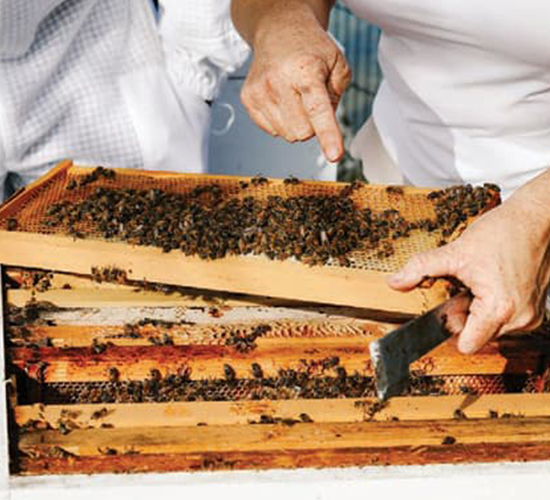
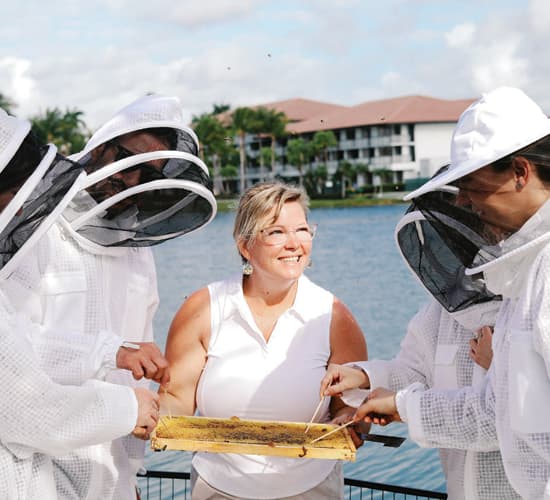
If guests aren't satisfied with merely tasting the honey of the bees' labor, they can help care for the hives. Through the resort's Bee Experience, which is hosted by professional beekeeper Sierra Malnove, guests don whole-body beekeeper suits and explore the grounds from a honey bee's point of view. Guest beekeepers learn about forage diversity along the lake banks and throughout the property, discover the secrets to keeping bees healthy and productive, and enjoy a raw honeycomb tasting straight from the hive.
"They experience what it's like to be the beekeeper," Malnove explains. "Guests are often surprised to learn how much thoughtful, sustainable work happens behind the scenes."
The experience is open to adults and children ages six and up, reinforcing the resort's commitment to kids programming and environmental education. For those who want to extend the immersion, a chef-crafted Honeybelle Beekeepers Lunch features dishes infused with PGA honey – from hot honey pizza to honey affogato.
It's an experience designed to generate a new appreciation for the delicate nature of bees. Plus, it's fun and delicious.
A Living Ecosystem on Property
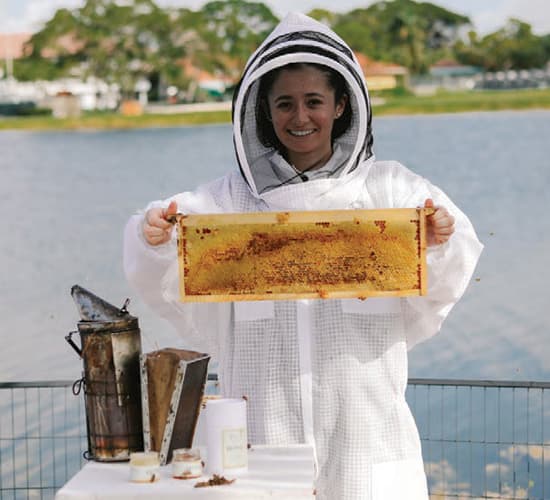
Living in hives tucked within the resort's lush grounds are thousands of bees, cared for by professional beekeeper Sierra Malnove. Far from easy, the colonies take constant care and monitoring and a deep understanding of bee behavior.
"A healthy hive doesn't happen by accident," she says. "Every hive is different. Part of the challenge, and the joy, is learning to work with the bees rather than against them."
Her work focuses on the delicate nature of the resort's European honey bee genetics, the health of the queen, workers and brood, and careful preparation for seasonal honey flows. The bees' success is also a result of their environment.
PGA National is a literal buffet for pollinators," Malnove says. "The beauty that welcomes guests to the resort — the diverse flowers, trees and native plantings — is exactly what allows our bees to thrive."
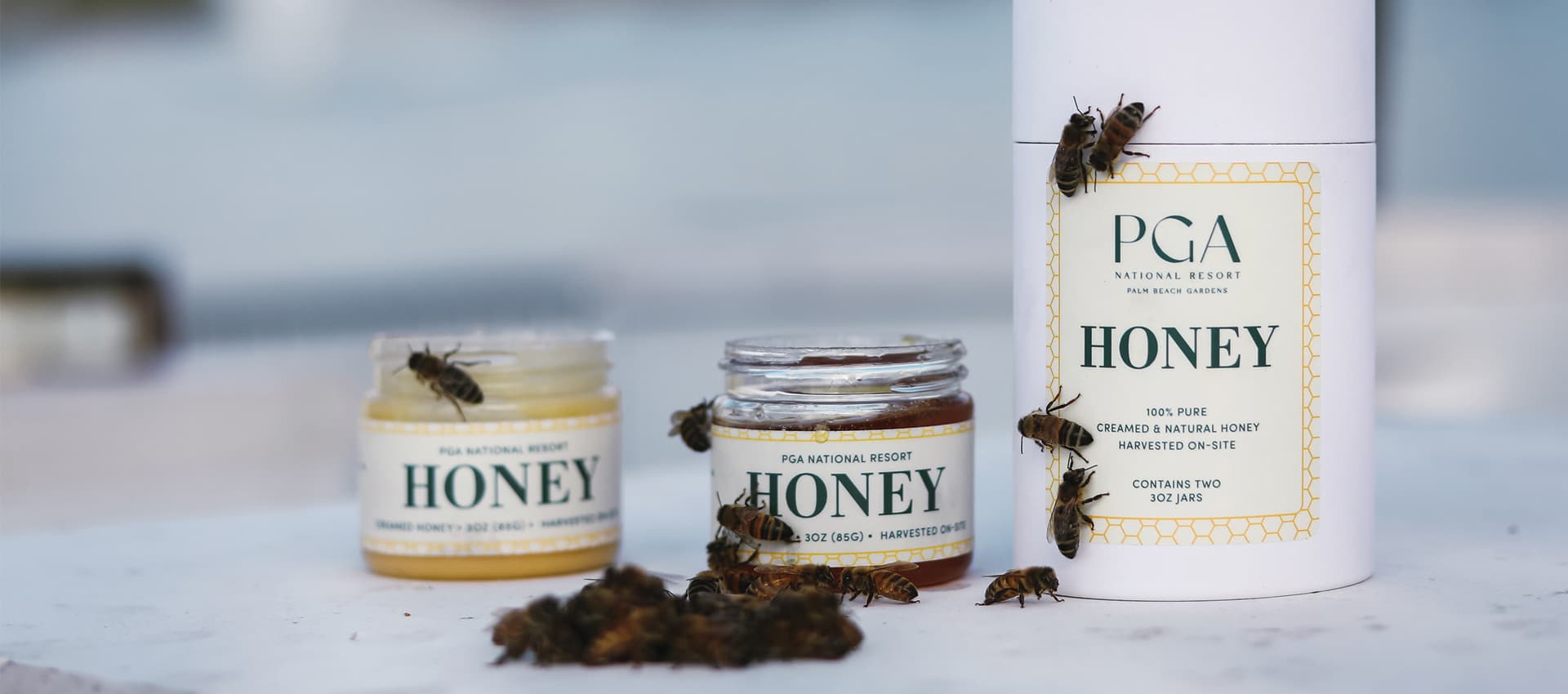
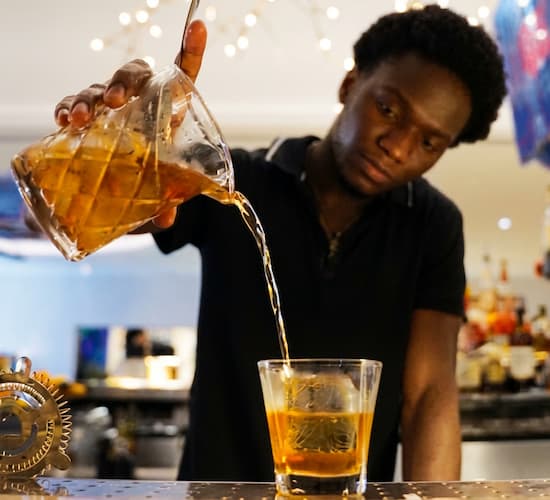
The result is honey that reflects its surroundings, and offers a bounty of delicious and diverse benefits for resort guests. Seasonal shifts change the honey's flavor, color and aroma in subtle ways that are unique to the property. This just-harvested honey is used throughout the resort in culinary delights, unique cocktails and soothing spa treatments — a luxurious expression of sustainability in action.
Why it Matters
Supporting pollinators at a single resort won't solve global bee declines. But localized habitat stewardship adds up. Diverse plantings, reduced chemical exposure and intelligent land management create safe havens where hives can thrive.
"Keeping bees healthy and productive is very tricky," Malnove says. "But when hives get to live among us in a space that supports them, the bounty is incredible."
Her words echo a broader truth: sustaining bees is inseparable from sustaining ourselves. Every almond, every blueberry, every spoonful of honey is part of a larger ecological partnership. It's a win-win.
At PGA National, that partnership is visible, tangible and, perhaps most importantly, shared. Guests don't just taste the honey: They witness the system that makes it possible.
In a world increasingly disconnected from its food source, that connection may be one of the sweetest outcomes of all.
Sierra Malnove's Journey to the Hive
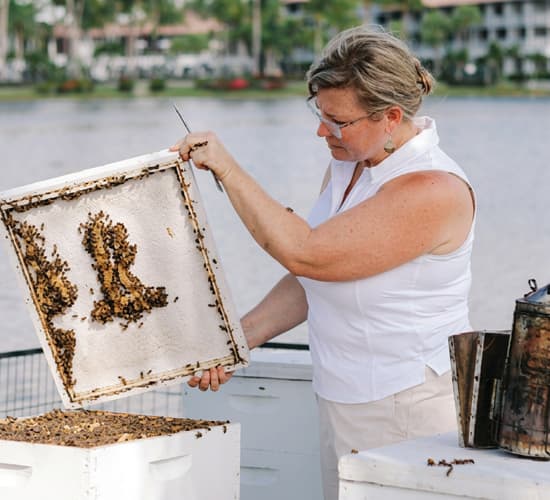
Sierra Malnove didn't set out to become a professional beekeeper. A mother homeschooling her three children in Boca Raton, she originally wanted backyard chickens to complement her garden, but local rules prohibited them. Enter bees, which were allowed. She started with a single hive and was soon captivated.
"The minute I opened the hive, I was grounded in space and all of my stresses dissolved," she says.
Her passion grew into queen rearing and commercial pollination work in California almond orchards and Maine blueberry fields before she found her calling caring for bees that truly "get to live their best lives" at PGA National. She cherishes her role as beekeeper and advocate for a more sustainable future.
Contact Us
For advertising inquiries, please contact [email protected]