Back to Salamander Adventures
Expert Q&A: Natalie Ngounou
Rooted in intention and guided by sound, floating sound baths provide deeply calming and restorative effects. To help you extend that sense of ease beyond the water, we gathered wellness insights from expert Natalie Ngounou to explore simple, meaningful practices you can take with you into everyday life. From mindful moments and breathwork to gentle techniques for quieting the mind, Natalie shares approachable insights designed to support balance, clarity, and presence wherever your wellness journey may lead.
About Our Expert
Natalie Ngounou
Natalie Ngounou is the founder of Space of Gratitude and the creator of Sounds of Gratitude, a luxury wellness brand rooted in presence and intentional living. With over two decades in hospitality and spa leadership, she weaves mindfulness coaching, breathwork, yoga, and yoga nidra into immersive sound bath experiences. Natalie is also the author of “Create a Lifestyle of Gratitude,” a reflective guide to cultivating presence, peace, and purpose.
View Book about About Our Expert
What is one simple practice inspired by sound bathing that we can use at home or while traveling to quickly reset our nervous system?
A GENTLE RESET
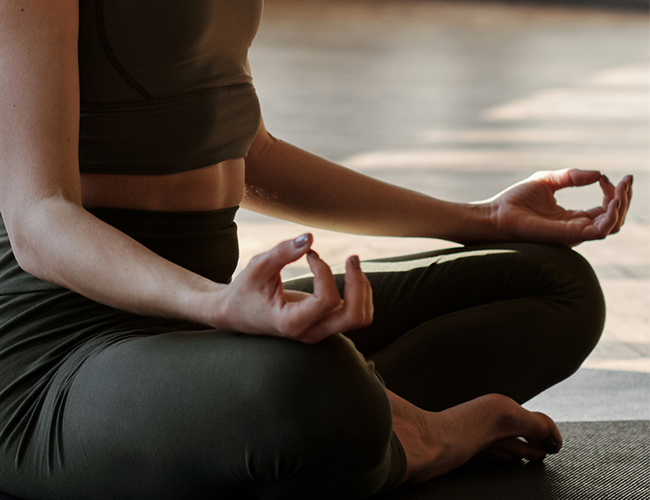
One simple practice inspired by sound bathing is to begin by finding support, safety, and trust within your body. Follow this ritual for a gentle reset:
- Find a moment to pause.
- Choose a position that feels supportive: seated or resting.
- If seated in a chair, place both feet firmly on the floor. Lengthen your spine, soften your shoulders back, and gently lift your chin.
- If seated on the ground, allow your sit bones to settle evenly into the earth, hands resting softly at your sides.
- If lying down, rest in savasana (on your back) or place both legs up the wall, allowing the body to release fully.
- Once settled, bring your attention to your breath and the subtle sounds around you. There is nothing to change, only to notice. Allow this quiet moment to soften the body, calm the nervous system, and return you to a state of ease and presence.
For someone who feels they “can’t meditate,” what approachable techniques do you recommend to quiet the mind without pressure or perfection?
A GENTLE INVITATION
Meditation is an invitation, not a requirement. It does not ask for an empty mind or a perfect practice. Instead, we are gently encouraged to notice whatever thoughts arise; living in the present without judgment and without the need to change them.
A supportive anchor is to begin with a soft, positive intention, such as peace, gratitude, clarity, or ease. As thoughts naturally come and go, returning to this intention creates space for stillness to emerge on its own. When we release the need to do it “right,” meditation becomes welcoming, approachable, and deeply nourishing.

How can sound (whether through music, tone, or even silence) be used intentionally in everyday life to support relaxation and focus?
A MINDFUL LISTENING PRACTICE
Sound has a profound relationship with the nervous system, particularly the vagus nerve, which supports relaxation, emotional balance, and a sense of safety within the body. When sound is chosen with intention, whether through soft instrumental music, nature soundscapes, gentle humming, or moments of restorative silence, it becomes a powerful tool for regulation and presence.
In the way we adjust lighting or choose a calming scent, selecting sound with intention throughout the day supports relaxation and clarity. Lowering volume, selecting slower tempos, or intentional quiet between activities helps signal the body to slow down. Morning sound can gently energize, while evening sound, such as calming tones or subtle ambient music, supports unwinding and rest. Even brief pauses of silence between meetings or tasks offer the nervous system a chance to reset.
When paired with mindful listening, sound creates space in both the heart and mind for clarity, gratitude, and positive intention. By slowing down and honoring moments of stillness, we naturally support relaxation, sustained focus, and a more grounded, effortless sense of productivity throughout the day.
Are there breathing techniques you often guide in sessions that can be practiced anywhere to feel more grounded and present?
A Grounding Breath
This gentle breathing practice is designed to calm the nervous system and bring you fully into the present moment.
- Find a comfortable position, seated or resting.
- Place one hand softly over your heart and the other on your belly.
- Inhale slowly through the nose for a count of four, feeling the chest and belly gently expand. Exhale through the mouth for a count of six, allowing the body to soften and release.
- Continue this rhythm for several breaths, noticing the natural rise and fall beneath your hands. There is nothing to change, only to feel.
This extended exhale signals safety to the nervous system, inviting grounding, clarity, and a quiet sense of gratitude. Return to this breath anytime you wish to reconnect with ease, offering a moment of grounding.
What does a “mindful moment” look like in real life, and how can people begin to weave them naturally into busy days?
Finding a mindful moment
A mindful moment is often quiet and brief, a pause before a meeting, a conscious breath, a simple moment of appreciation or practicing kind and positive self-talk. Setting gentle reminders, using wearable wellness cues, silencing notifications, placing devices on “Do Not Disturb” or keeping a gratitude jar nearby can help anchor awareness throughout the day.
Mindfulness can also be found in the full presence of a moment with others or community: offering gentle eye contact, responding with softness, engaging in intentional conversation, showing kindness and gratitude. These small moments of presence naturally weave mindfulness into daily life, without adding more to do.
How can we create a calming sensory environment at home using light, sound, or touch without needing special equipment?
Creating Calm
Calm begins with intention. Creating a soothing sensory environment does not require special tools, only thoughtful awareness. Soft, ambient lighting or dimmed lamps instantly signal the body to slow down, while warm tones create a sense of comfort. Opening a window to allow in fresh air, natural light, or the sounds of nature can gently reset the senses.
Natural elements such as plants or fresh flowers invite a feeling of grounding and connection, while the warmth of a fireplace or candlelight adds a layer of ease and presence. Textured fabrics such as a soft blanket or cushion offer comfort through touch, and gentle aromatherapy can further support relaxation. When our surroundings feel intentional and supportive, the nervous system naturally responds with openness, ease, and a quiet sense of sanctuary.

What is your advice for releasing stress at the end of the day, especially for those who find it difficult to truly “switch off”?
An evening ritual of rest
Rest is a form of self-love. As the day gently comes to a close, create a quiet ritual that signals your body and mind it is time to soften and release.
Begin by slowly sipping a warm cup of ginger, peppermint, or herbal tea, allowing the warmth and aroma to settle the senses. Place your phone on “Sleep” or “Do Not Disturb” mode and gently step away from evening scrolling, giving yourself permission to disconnect. Pair this moment with a simple, nourishing practice, reading a few pages, gratitude journaling, gentle yoga stretches, or soft, steady breathing. Introduce a calming scent and allow soft instrumental music to fill the space.
For deeper rest, draw the blackout curtains, place an eye pillow over the eyes, and use earplugs if helpful. Allow the body to feel supported and at ease.
To complete the ritual, visualize the day softly resolving, imagining it unfolding exactly as you would have wished. Release the day with gratitude, knowing that rest is not something to earn, but something to receive.
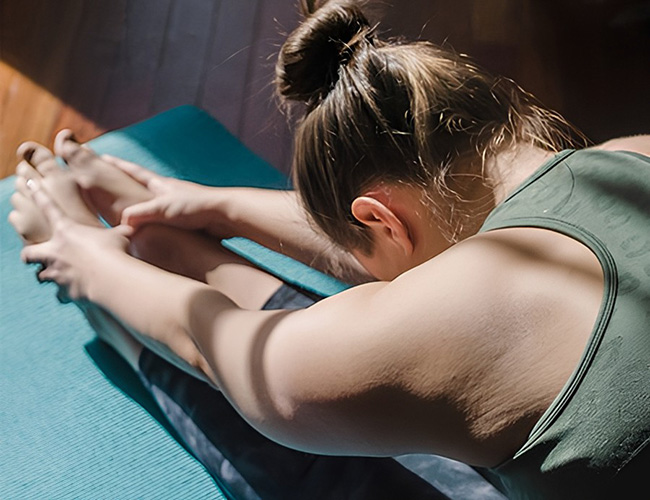
How can we learn to listen more closely to our body’s signals and respond with care before stress or fatigue builds up?
Listening to the body
Your body is always communicating, often in quiet ways.
- Begin by creating a moment of stillness. You may be seated or resting comfortably.
- Gently bring your awareness to the body, moving slowly from head to toe, comparing our right side of the body versus the left side of the body.
- Notice the body signaling areas of tension, heaviness, or ease without judgment and without the need to change anything.
- If you sense tightness, invite softness. Allow the shoulders to release, the jaw to unclench, the breath to deepen naturally.
- Imagine the body in its most supported, relaxed state, rested, steady, and at ease.
Return to this awareness throughout the day. Listening early allows you to respond with care rather than urgency, choosing rest, movement, or nourishment before fatigue builds. This is an act of compassion, one that supports and invites stillness, balance, presence, and gratitude.
If you could offer just one daily ritual to support balance, clarity, and emotional well-being, what would it be and why?
Choosing Gratitude
One daily ritual I would offer is a practice of gratitude, because it gently supports balance, clarity, and emotional well-being all at once. Gratitude invites us into the present moment, helping the mind settle and the body soften. It naturally shifts awareness toward what feels supportive and meaningful, creating a sense of steadiness even during busy or demanding days.
This simple ritual, whether practiced through reflection, journaling, or quiet acknowledgment, is the foundation of my new book, “Create a Lifestyle of Gratitude”, which offers approachable practices for cultivating presence, peace, and purpose in both everyday life and moments of rest and renewal.