

Restoring the Legacy of Jamaican Artist
Michael Lester
By JILLIAN DARA
Half Moon continues to invest in and bolster the works of artist Michael Lester.
A Collection Under One Roof
Years later, in 2022, the owners of Half Moon purchased a significant portion of Lester’s estate. Having sorted through nearly 600 works as part of the newly acquired collection, including ephemera, publications, personal notes and diaries, Art Collections Manager Martin Kret says his earliest works on paper are most impressive as they “show his draftsmanship skill and keen observations of the world around him.”
Two of these paper drafts — Untitled (SS Poznań, Bow View), and Untitled (SS Poznań, Stern View) — depict Lester’s Naval Cargo Ship when it was blown off course by a storm just after the D-Day invasion. “He took whatever suitable piece of paper he had on hand to create these pieces,” Kret shares, noting these were done on the back of 1937 sea-charts that were made in Nazi Germany. “This not only helps date the work, as it is undated, but adds a layer of mystery to a story worth telling.”
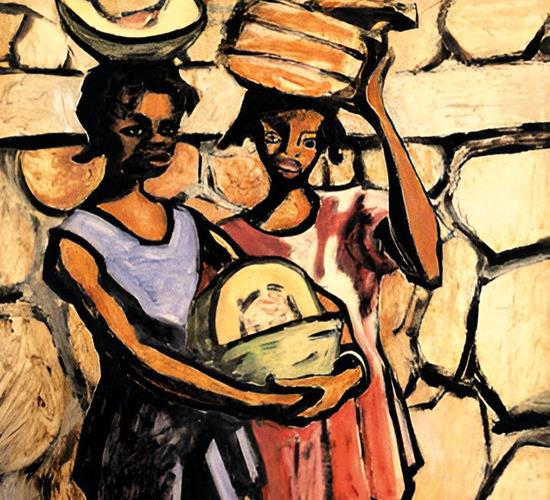
Michael Lester (Michał Leszczyński), 1906-
1972, Polish, Girl with Pumpkin, 1965, oil on
hardboard, Half Moon Collection, Montego
Bay, Jamaica © Garlandstone Arts, LLC.
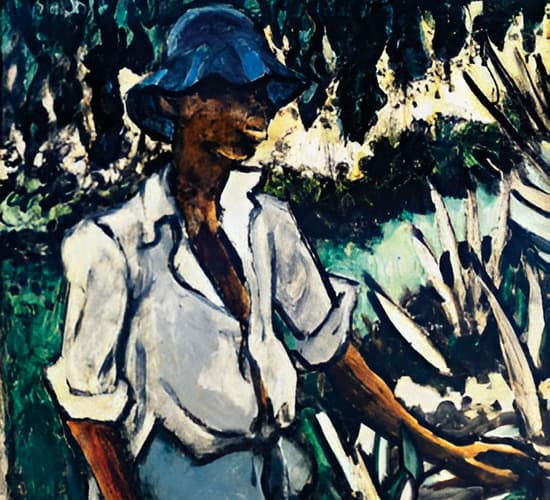
PICKAXE 1965
Michael Lester (Michał Leszczyński),
1906-1972, Polish, Pickaxe, 1965, oil
on hardboard, Half Moon Collection,
Montego Bay, Jamaica
© Garlandstone Arts, LLC.
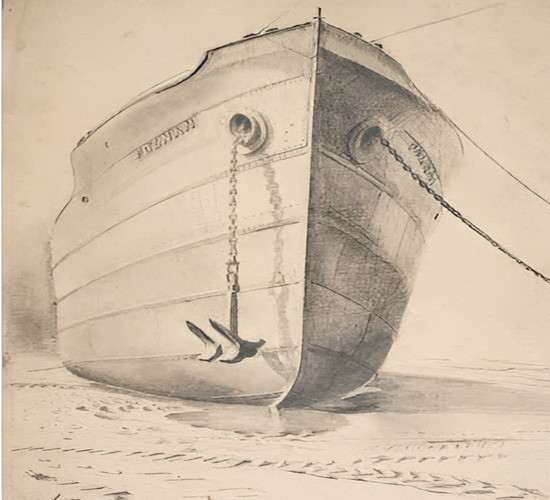
UNTITLED 1944
Michael Lester (Michał Leszczyński), 1906-1972, Polish,
Untitled (SS Poznań, Bow View), ca. 1944, graphite
on vintage sea chart, private collection, Chevy Chase,
Maryland, © Garlandstone Arts, LLC.
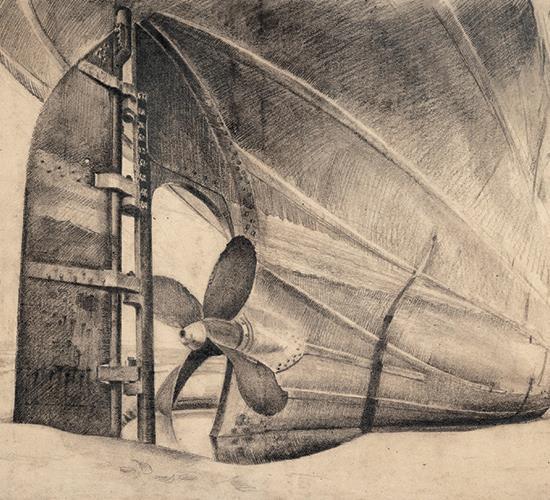
UNTITLED 1944
Michael Lester (Michał Leszczyński), 1906-1972, Polish,
Untitled (SS Poznań, Stern View), ca. 1944, graphite on vintage
sea chart, private collection, Chevy Chase, Maryland,
© Garlandstone Arts, LLC.
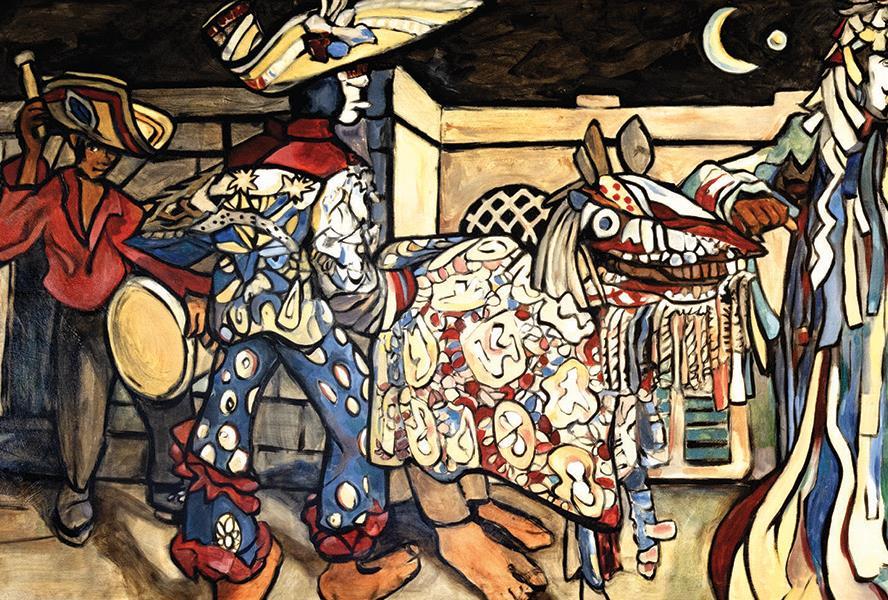
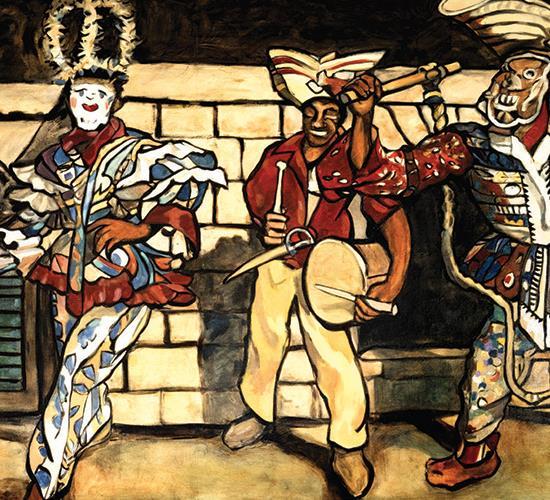
JONKANOO 1965
Original by Michael Lester (Michał Leszczyński), 1906-1972, Polish, Jonkanoo (alternate spelling “Junkanoo”), ca. 1965, destroyed in
fire. Reproduction (current version) by Janice Rankin, artist, Jamaican, oil on hardboard, Half Moon Collection, Montego Bay, Jamaica
© Garlandstone Arts, LLC
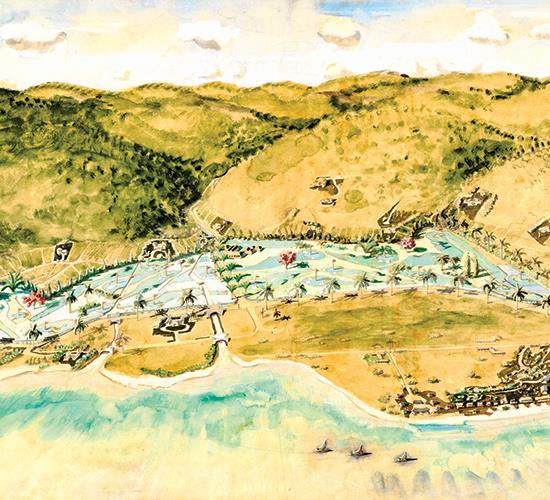
HALF MOON RESORT BIRD'S EYE VIEW
Michael Lester (Michał Leszczyński), 1906-1972, Polish, Half Moon Resort Bird’s Eye View, 1960, watercolor on paper, Half Moon
Collection, Montego Bay, Jamaica © Garlandstone Arts, LLC.
The Accession Process
Having spent the past 12 years at museums across Washington DC, Kret was brought onboard to accession a method of record keeping to collate, numerate and track new incoming pieces and digitize the collection. When first purchased, the records stated that there were 32 paintings and 300 works on paper. "The collection currently contains around 550 works on paper, plus 39 paintings on canvas or hardboard... and it is likely to grow further," advises Kret on the biggest undertaking of his career. "This collection is everything he had; that's what makes it so culturally rich," says Kret, and that's why the accession process is so important.
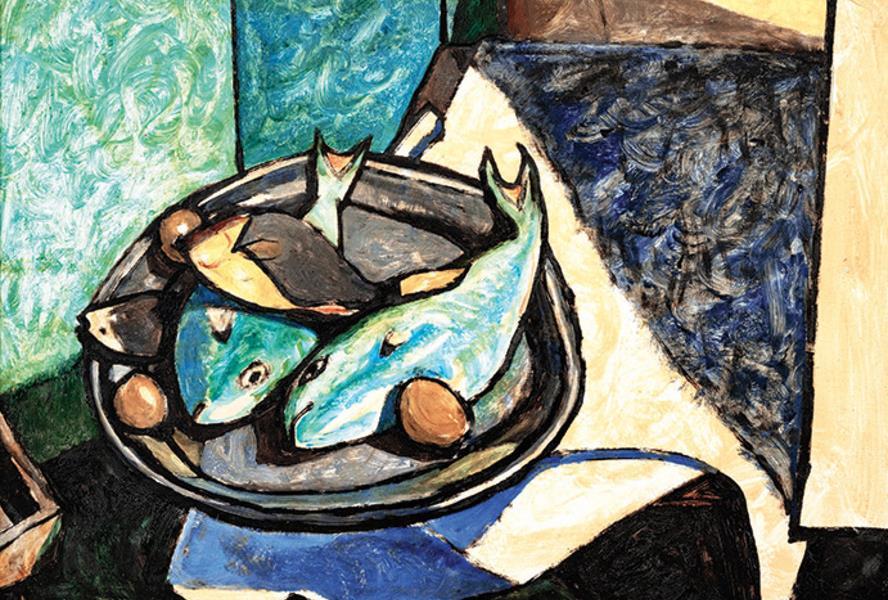
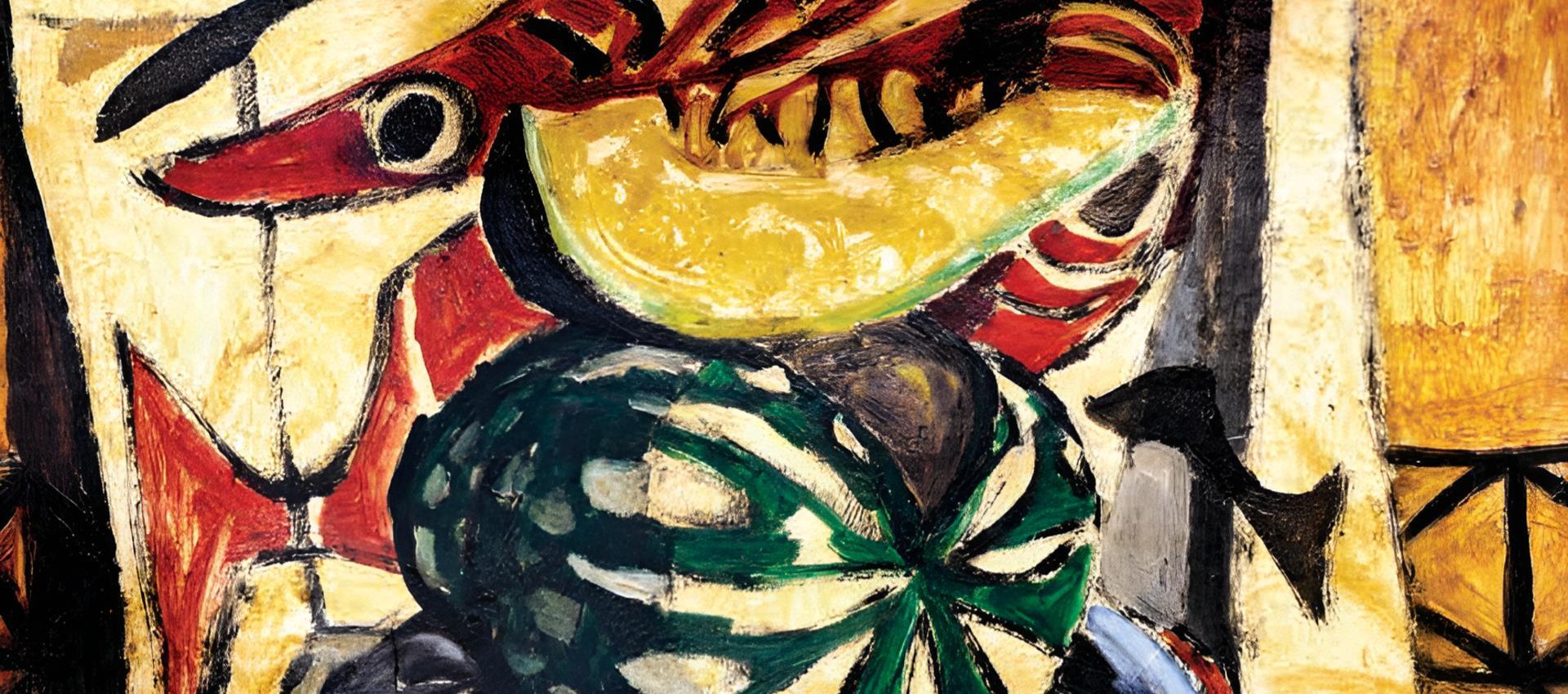
POLISH, POLICEMAN, PARROT AND LIMES
Michael Lester (Michał
Leszczyński), 1906-
1972, Polish, Policeman,
Parrot, and Limes,
1958, oil on hardboard,
Half Moon Collection,
Montego Bay, Jamaica ©
Garlandstone Arts, LLC.
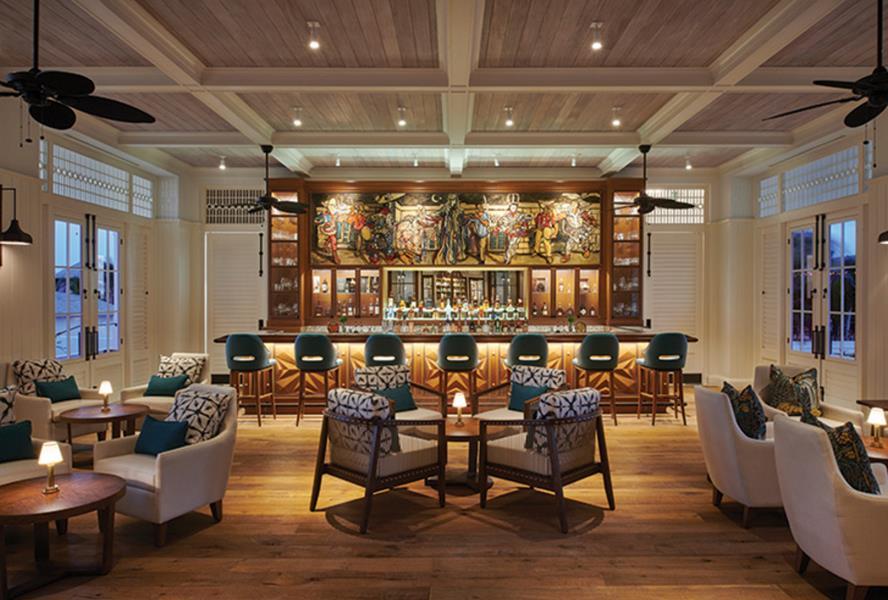
Lester's Bar
When Half Moon opened its new Eclipse hotel experience, the bar was named Lester's Bar for Michael Lester.
This chic space offers expertly crafted cocktails, a large selection of Caribbean rums and premium brands, and live entertainment. The bar showcases Janice Rankin's reproduction of Junkanoo, shown directly behind the bar.
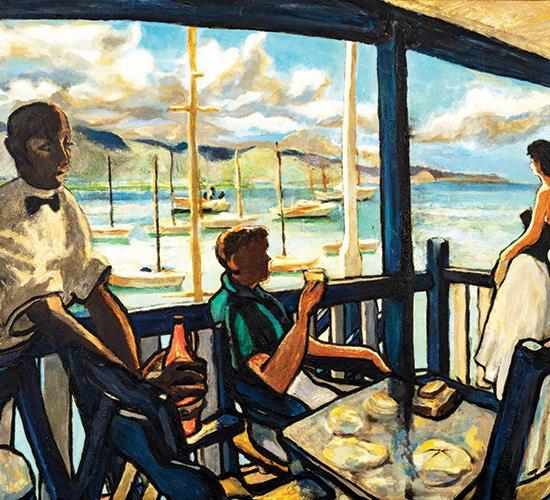
YACHT CLUB 1955
Michael Lester (Michał Leszczyński), 1906-1972, Polish, Montego Bay, Yacht Club, 1955, oil on hardboard, Half Moon Collection, Montego Bay, Jamaica Garlandstone Arts, LLC.
Having spent more than two years sorting through these works, Kret stresses the significance of Lester's earliest works on paper like the Untitled duo: "they often form the basis for his larger works done in oil and are pretty much unknown to the public."
Now, as a result of Kret and Half Moon, aesthetes will be able to view more artwork, including some they never knew existed, by the talented Lester. But first they need to be tended to some of these artworks are over 80 years old and have been stored in humid conditions so are worse for wear. Therefore, when Kret enters them into the digital database he's determined the pieces in the worst condition, which the restoration team will prioritize.
Restoring the Art
The first piece that was restored is Garden Shadows. According to Kret, it had severe damage to the canvas, was distorted by the frame and stretcher, showed paint loss and cracks throughout. He hired art conservator Scott Brouard to restore the painting's deteriorated state, including the removal of the frame and stretcher to line the canvas with an aluminum panel and hot wax infusion method. Once that was accomplished, Brouard filled the holes, in-painted where needed, and cleaned the surface to achieve a more original appearance. "Paintings are never stable, they are always in some state of deterioration, but there are treatments and restoration methods that can help extend the life and physical appearance of any artwork," explains Kret.
The process of restoration may take years, and may be ever-growing, however, Kret acknowledges that connoisseurs now have the largest collection of Lester's work at their fingertips. "That is why digitizing the collection is an important part of my role... to hopefully preserve this collection in digital form for decades to come with the purpose of exposing Lester's legacy to the wider public."
Contact Us
For advertising inquiries, please contact [email protected]